
Topic 1.1: Global Challenges: Energy, Climate, and Urbanization. The Role of Buildings in Energy Consumption (40% of Global Consumption)
Introduction: The Triple Challenge of Our Time
The modern world faces three interconnected global challenges that define our future:
1. Energy: Growing demand for energy, the depletion of fossil resources, and the need to ensure energy security and affordability.
2. Climate: Climate change, driven by anthropogenic greenhouse gas (GHG) emissions, leads to extreme weather events, rising sea levels, and threats to ecosystems.
3. Urbanization: Over 50% of the world’s population lives in cities, and by 2050, this figure will reach 68%. Cities are centers of economic growth but also major consumers of resources and sources of pollution.
These three challenges are inextricably linked. Urbanization increases the demand for energy, the production of which (primarily from fossil fuels) exacerbates the climate crisis.
Part 1: A Detailed Analysis of Global Challenges
1. The Energy Challenge
– Growing Demand: Global energy consumption is steadily increasing due to population growth, industrialization in developing countries, and the proliferation of electronic devices.
– Dependence on Fossil Fuels: About 80% of the world’s primary energy is still generated by burning coal, oil, and gas. This creates:
– Price Volatility: Political and economic instability in producer regions.
– Resource Scarcity: Fossil fuels are finite.
– Geopolitical Tension: Competition for access to energy resources.
2. The Climate Challenge
– The Greenhouse Effect: Emissions of CO₂, methane (CH₄), and other gases from fuel combustion, industry, and agriculture intensify the natural greenhouse effect, leading to global warming.
– Consequences:
* Increase in the global average temperature.
* Melting of glaciers and permafrost.
* Rising sea levels.
* Increased frequency and intensity of droughts, floods, wildfires, and heatwaves.
3. Urbanization as a Driver and a “Solution Hub”
– The City as an “Energy Funnel”: Cities occupy only 3% of the Earth’s surface but consume up to 78% of all energy and produce over 60% of GHG emissions.
– Concentration of Demand: Cities concentrate high-rise buildings, transport systems, industry, and infrastructure, all requiring vast amounts of energy.
– Heat Islands: Dense development and asphalt surfaces absorb heat, raising temperatures in cities by 5-10°C compared to suburbs, which increases cooling costs.
Part 2: The Role of Buildings in Energy Consumption — A Key System Element
The figure of 40% of global final energy consumption** is not just a statistic; it reflects the systemic role of buildings. Let’s break down this figure in detail.
Where do these 40% come from? The Structure of Building Energy Consumption
Energy in buildings is used for several key operational processes:
1. Heating ~ 40-60%: The largest consumer, especially in countries with cold climates. It depends on the quality of insulation, window airtightness, and the efficiency of boiler systems.
2. Cooling and Air Conditioning ~ 10-20%: A rapidly growing expense due to rising prosperity in hot countries and more frequent heatwaves. The energy intensity of air conditioners is enormous.
3. Hot Water Supply ~ 10-15%: Heating water for showers, washing dishes, and other domestic needs.
4. Lighting ~ 5-15%: Depends on the type of lamps (LEDs vs. incandescent bulbs), natural light availability, and daylight hours.
5. Appliances and Electronics (Plug Loads) ~ 10-20%: Computers, TVs, refrigerators, servers, elevators, pumps. This share is constantly growing due to digitalization.
6. Ventilation ~ 5-10%: Energy consumed by fans and air handling units to ensure air exchange.
“Embodied Energy” and the Building Life Cycle
It is important to understand that 40% refers to operational energy consumption (energy used by a building during its operation). But there is also “embodied energy” — the energy expended on:
– Manufacturing building materials (cement, steel, glass, insulation).
– Transporting materials to the construction site.
– The construction process itself (operation of machinery).
– Demolition and disposal of the building at the end of its life cycle.
When “embodied energy” is considered, the construction sector’s contribution to global energy consumption and GHG emissions becomes even more significant.
Part 3: Tying It All Together — Why This Is Critically Important
1. Buildings are the main “channel” through which urbanization impacts the climate. Growth of cities = growth in the number of buildings = increased demand for operational energy = increased CO₂ emissions.
2. Building Energy Efficiency is the most cost-effective solution. Reducing the energy consumption of existing and new buildings is a “low-hanging fruit” for combating climate change. According to the IEA, energy efficiency measures in the buildings sector can deliver over 40% of the required GHG emission reductions.
3. The “Double Dividend” Effect:
– Reduced Emissions: Less energy = less fuel burned = fewer greenhouse gases.
– Economic Benefit: Lower utility bills for residents and businesses, reduced strain on the city’s energy grid.
4. Climate Adaptation: Modern, energy-efficient buildings are better protected from extreme temperatures (both heat and cold), enhancing urban resilience.
Conclusions and Avenues for Solutions
Topic 1.1 leads us to understand that buildings are at the epicenter of the global problems of energy, climate, and urbanization. The figure of 40% is not a verdict, but an indication of enormous potential for positive change.
Key avenues for action emerging from this topic:
– Transition to “Green” Building: Standards for passive houses, net-zero energy buildings, and energy-positive buildings.
– Deep Retrofitting of the Existing Building Stock: Insulating facades, replacing windows, upgrading heating and ventilation systems.
– Implementation of Smart Technologies (Smart Buildings): Using sensors, automation systems, and IoT to optimize energy consumption in real-time.
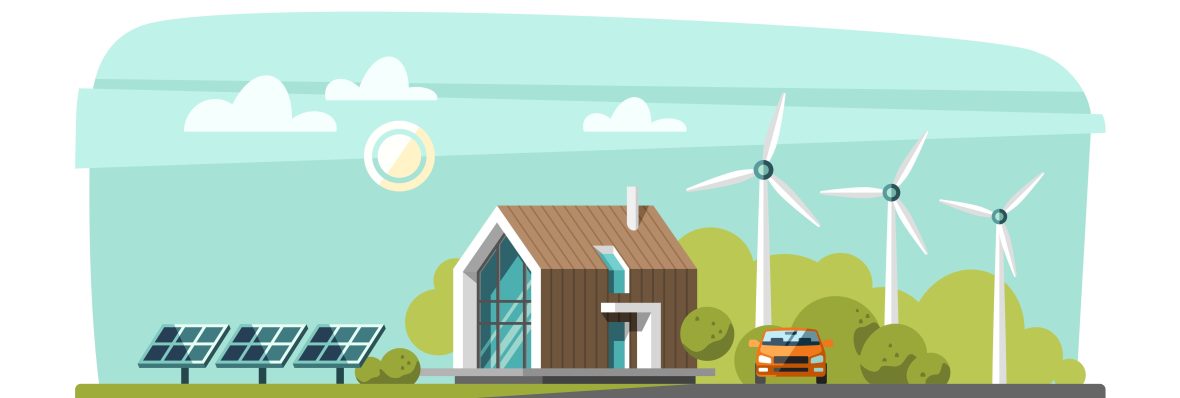
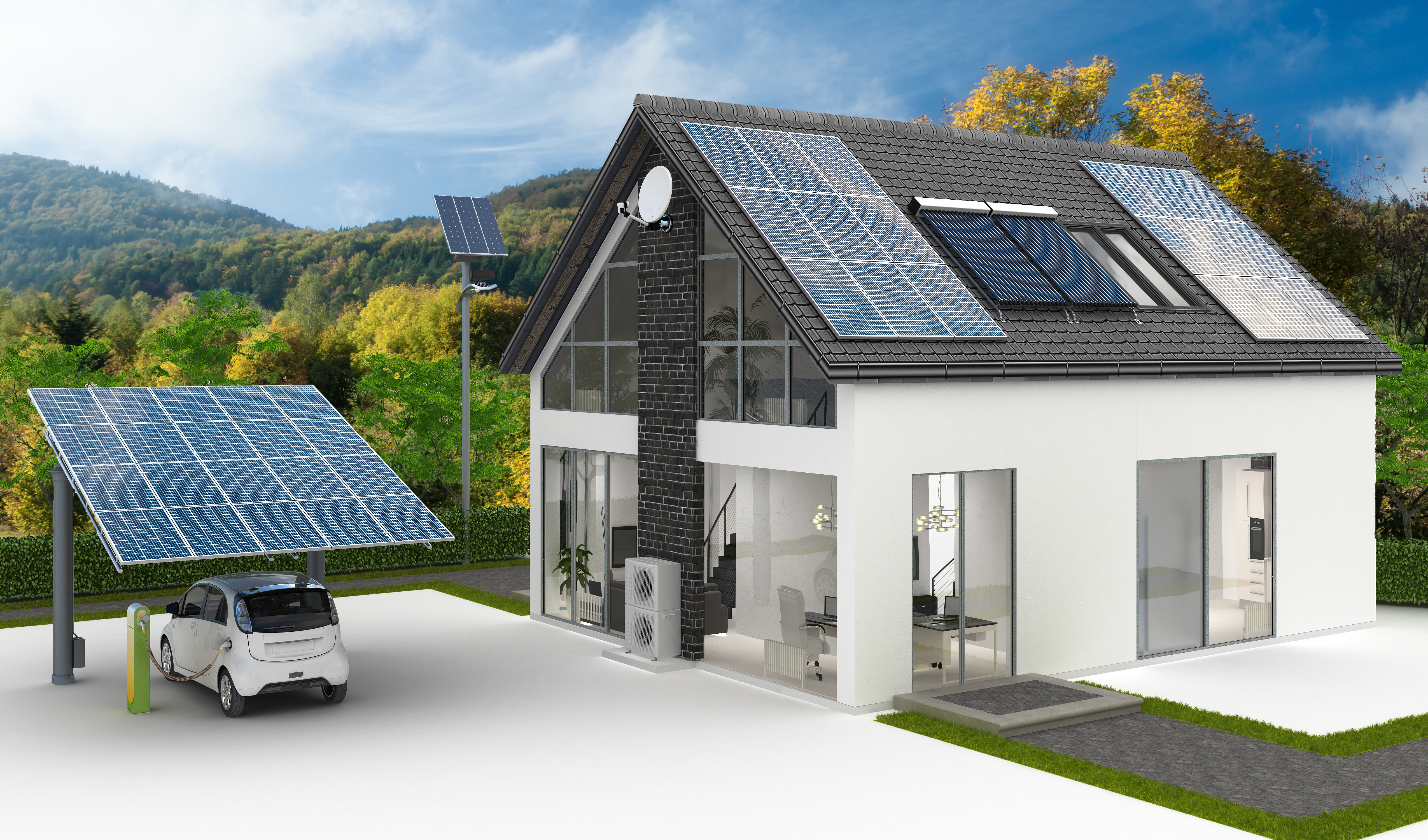
– Use of Renewables at the Building Level: Installing solar panels, heat pumps, and solar thermal collectors to meet own energy needs.
– Development of Urban Planning: Creating compact, “walkable” neighborhoods with developed public transport, which reduces energy costs for transport and infrastructure.
Thus, solving energy and climate problems is impossible without a fundamental transformation of how we design, build, and operate our buildings.